
Why Packaging Design Support Matters
A design that works visually doesn’t always work in production. Artwork built for screen or offset print regularly needs adjustment before it can be used in flexible packaging manufacturing. The bag structure, material, sealing zones, printing method, and dimensions all place real constraints on how the artwork needs to be set up — and those constraints don’t show up in a design file until someone checks against the actual production spec.
Catching these issues at artwork review costs very little. Catching them after cylinders have been engraved or plates have been made is a different situation. That’s the practical reason this review matters.
What We Can Help With
Most of what we do at this stage is production-side checking — not visual feedback. When a file comes in, we’re looking at whether the artwork will actually work in manufacturing, not whether it looks good.
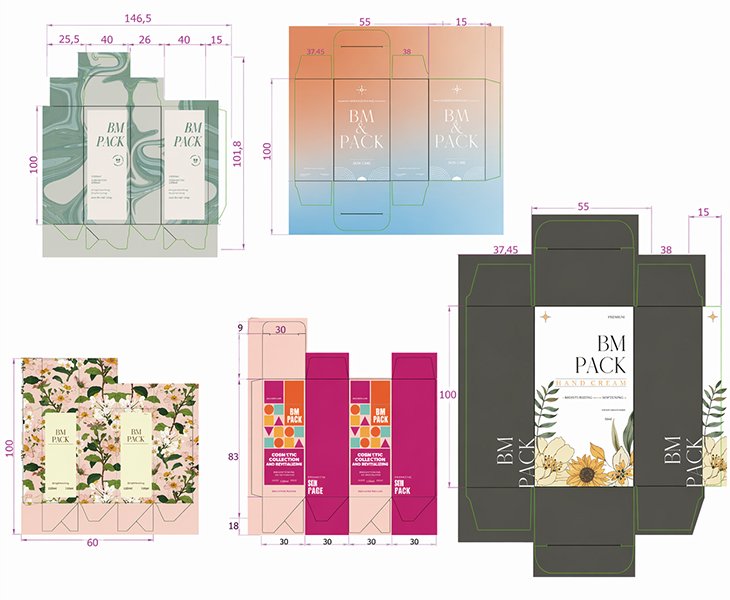
That means checking the dieline alignment for the specific bag type, confirming safe areas and bleed are correctly set, and identifying anything that runs into sealing or zipper zones where it’ll be obscured or distorted during bag-making. We check colour setup — whether the file is in CMYK, whether Pantone references are noted — and flag anything likely to shift significantly between screen and print. We also check whether the design is compatible with the intended printing method, and whether the bag dimensions make sense for the fill volume and filling conditions.
If something needs attention, we note it specifically. The review isn’t a general assessment — it’s focused on what will cause a problem in production.
Support for Existing Artwork
A lot of buyers come in with artwork that’s largely finished — developed by a designer who knows branding but hasn’t worked much with flexible packaging production. These files are usually close to usable but need specific corrections before they’re ready to go to the plate.
We often see files where the colour mode is RGB rather than CMYK. Some colours — particularly bright blues, greens, and oranges — shift noticeably when converted, and this needs to be sorted before production. Bleed is another consistent issue: if the background artwork doesn’t extend to the bleed boundary, there can be unprinted edges showing on the finished bag. Neither of these is a serious problem at the design stage, but both become one in production.
Artwork in the sealing area is probably the most common thing we flag. The top seal, bottom seal, and side seals — none of these is print areas, and anything placed there will be hidden or distorted by the heat-seal process. Designers who haven’t worked with flexible packaging before don’t always know where these zones fall, which is understandable. But it needs to be corrected.
We also see files built on a generic bag template rather than the specific dieline for the format. Small dimensional differences can affect how the artwork lines up on the physical bag, and this doesn’t always show up clearly until the first sample is produced.
Most of these corrections are straightforward. The point is catching them early.
Support for Incomplete or Early-Stage Ideas
Some buyers come in with a logo, a reference image, or a rough concept rather than a finished file. We can work with this — but the scope of what “design support” means from a manufacturer should be clear upfront.
We can provide the correct dieline for the bag format and dimensions, so artwork gets built on the right template from the beginning. We can advise on printable areas, sealing zone placement, colour setup requirements, and any constraints that come from the material structure or printing method. If a buyer is working with a designer, we’ll provide a technical brief so the designer has what they need to produce a file that’s likely to be production-ready without significant back-and-forth.
What we don’t do is develop visual concepts, create brand identity, or produce finished artwork from scratch. That’s not a gap in our service — it’s just not what we’re set up to do, and buyers who need that should work with a designer. We’re here to make sure whatever gets designed can actually be manufactured.
Making Artwork Production-Ready
Production-ready means the file can go to the plate without corrections that delay the schedule. It doesn’t mean the design is fixed permanently — but it does mean the file is set up correctly for the specific bag, material, and printing method.
For gravure, where cylinder engraving has a fixed lead time and cost, getting the artwork right before plate-making matters more. Revisions after cylinders are made add cost and delay. For flexo, plate changes are less expensive, but still worth avoiding. Either way, a second round of corrections after plate production isn’t a good outcome.
The things that make a file production-ready — CMYK colour setup, correct dieline and dimensions, adequate bleed, sealing zones clear of design elements, minimum text and line weights for the printing method, embedded or outlined fonts — are not complex requirements. They’re consistently the areas where files need work, which is why the review step exists.
Common Design Details We Help Check

Three-side seal, stand-up pouch, back-seal, quad-seal — each has a different panel layout, different proportions, and different sealing zone placement. A file built on a generic template rather than the correct dieline will have dimensional differences that may not show up clearly until the first physical sample. This is worth confirming before the artwork is finalised.

For bags with zipper closures, the zipper sits above the usable bag body and requires specific clearance. Artwork or text placed in that zone tends to disappear or distort on the finished bag. We see this regularly in files where the designer has worked from reference images of finished packaging rather than from the actual dieline, which doesn’t show the zipper position clearly.

Each additional colour in gravure or flexo printing adds a cylinder or plate, which adds setup cost. Very high colour counts are sometimes worth reviewing before committing to plate production. Heavy ink coverage in certain areas can also cause issues — drying and registration problems are more likely when total ink density is high, and this doesn’t show up on screen at all.

Content placed too close to the bag edge can be affected by cutting tolerances. What looks correctly positioned in the file can end up partially trimmed on the physical bag. This matters more for text-heavy designs and anything with fine border elements near the edge.

Photographs and rasterised graphics need to be at minimum 300dpi at actual print size. Lower resolution looks fine on screen and prints soft. Upscaling a low-resolution image doesn’t recover the lost detail — it’s not something that can be fixed after submission, which is why it needs to be caught before the file is approved.
Who This Support Is For
Buyers preparing artwork for flexible packaging for the first time benefit most from early-stage involvement — getting the dieline and technical brief before the artwork is built avoids the most common problems. Buyers who have worked with flexible packaging before but are changing bag type, format, or material may need a review to confirm that the existing setup applies to the new specification. Things like sealing zone placement and dieline dimensions can differ enough between formats that it’s not safe to assume carry-over.
Buyers transferring existing artwork from a previous supplier can submit files for review. In most cases, files transfer without major changes, but it’s worth checking against the new bag specification rather than assuming everything is identical. Buyers starting from a concept or logo-only brief can use the technical brief we provide to direct a designer, or in some cases, once a draft layout exists, we can give feedback on whether the setup will work in production.
Not in the creative sense. We review artwork for production compatibility, provide dielines and technical briefs, and advise on what needs adjusting before plate-making. We don’t develop brand identity or produce finished artwork from scratch.
Usually, yes. Even experienced designers who are new to flexible packaging often set things up in ways that need adjustment — RGB instead of CMYK, artwork in the sealing zone, wrong template dimensions. The production requirements for flexible packaging are specific enough that a review step is worth doing regardless of who built the file.
PDF is standard. Illustrator files generally work too. Files should be in CMYK, at the correct bag dimensions, with fonts outlined or embedded. If you’re not sure whether your file meets these requirements, send it and we’ll check.
We provide it once the bag type, format, and dimensions are confirmed. Better to have it before the artwork is built — designing on the wrong template creates rework that’s easy to avoid.
We’ll send back specific notes on what needs to change. Most corrections are straightforward. Nothing goes to plate until the file is confirmed and approved.
We can provide the technical brief and dieline so a designer can build from the right starting point. Once a draft exists, we can give feedback on whether the layout will work in production. We don’t create the visual design itself.
Review as part of order preparation is included. If a file needs significant revision to reach a production-ready state, we’ll be direct about what’s required and why. The goal is fewer delays, not more process.
RGB colour mode, artwork in sealing zones, missing bleed, low-resolution images, and layout on the wrong dieline. These come up regularly in first submissions. All are correctable — the key is finding them before production starts.
Related Products
 Liquid Pouches
 Gift Bags
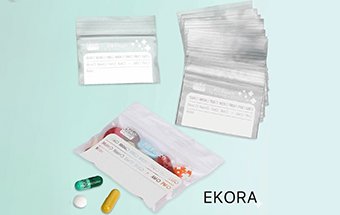 Medical Packaging Bags
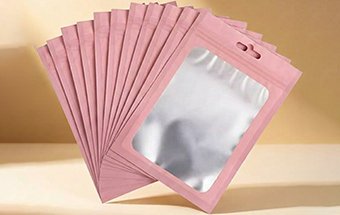 Cosmetic Packaging Bags
 Detergent Pouch
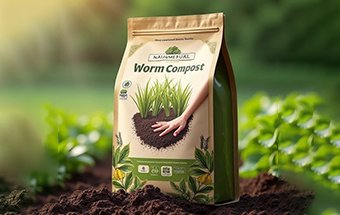 Agricultural Bags
 Electronic Packaging Bag
 Eco-Friendly Packaging Bags
 Packaging Film