
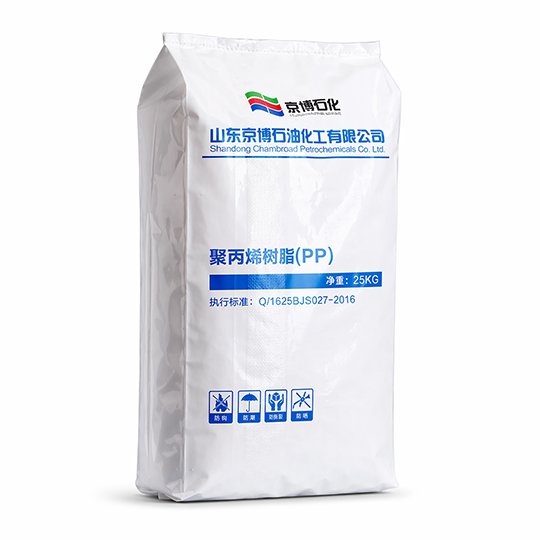
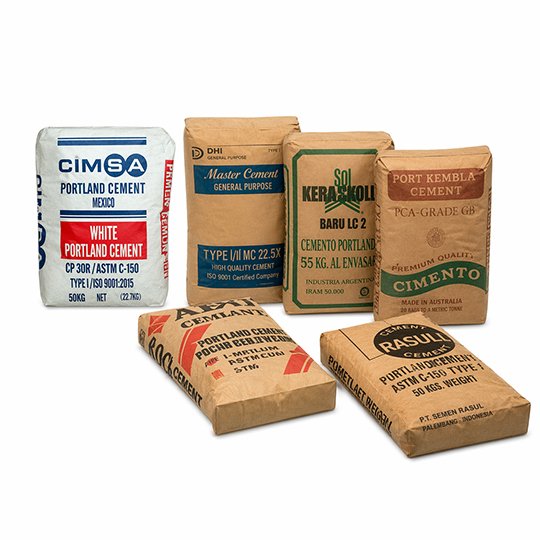
Heavy Duty Bag Manufacturer in China
EHAI Packaging produces heavy-duty bags for industrial applications:
- Est. 2002 · Over 20 Years in Industrial Flexible Packaging
- In-House Printing, Lamination, Slitting & Bag Making
- Composite Structures: PE, PA/PE, PET/AL/PE and Multi-Layer Options
- ISO 9001 · ISO 14001 · ISO 22000 Certified
- Supplied to Plastics Manufacturers Across China and International Markets
What Are Heavy Duty Bags?
Compared with standard packaging bags, heavy duty bags are made to handle heavier fill weights, rougher handling conditions, and more demanding storage and shipping environments. The right structure depends on the product itself — including particle shape, density, dust level, filling method, and stacking requirements.
In practice, a heavy duty bag is not defined by thickness alone. A suitable bag needs the right balance of material structure, seal strength, dimensional stability, and machine compatibility so it can perform reliably from filling to transport to final use.
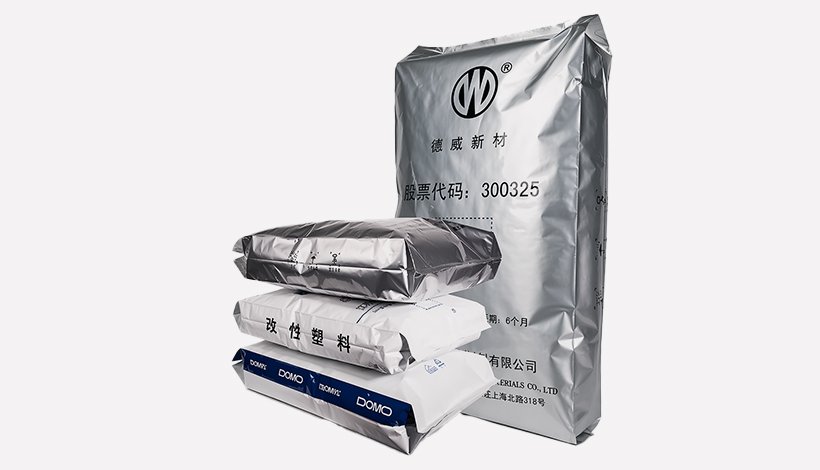
Need the Right Heavy Duty Bag for Your Product?
Send us your product details, fill weight, bag size if available, and filling method. We can help review the structure, gauge, dimensions, and print requirements, and suggest a heavy duty bag solution that fits your line and handling conditions.
Talk to us about your heavy duty bag project.
Heavy Duty Bag by Application
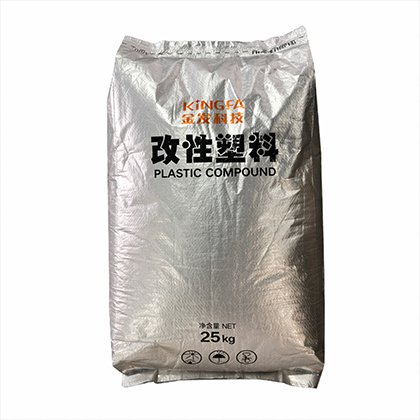 Resins & Plastic Pellets
Heavy duty bags for resins and plastic pellets need to fill cleanly, seal well, and stay stable after stacking. They are widely used for PE, PP, masterbatch, and other resin materials handled in bulk.
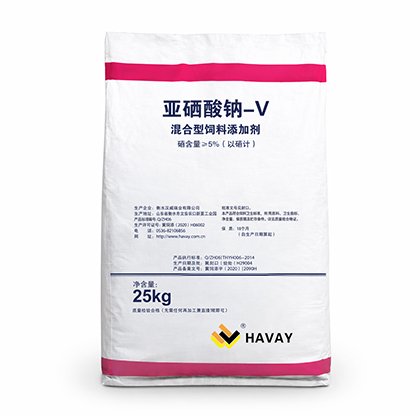 Chemical Powders
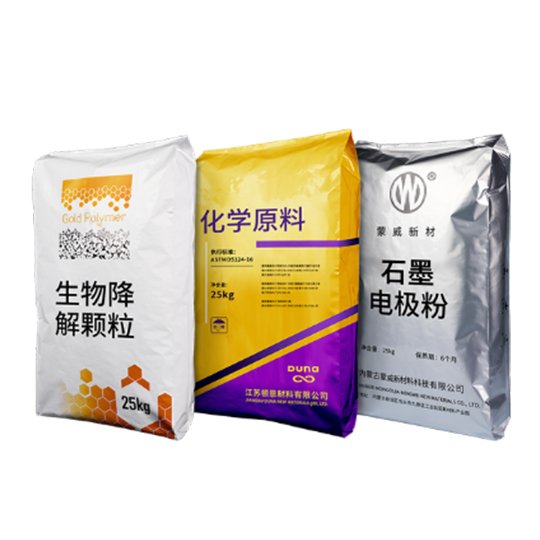
For chemical powders, a heavy duty bag needs more than basic strength. Dust control, seal consistency, and smooth machine filling all matter, especially in industrial packing environments.
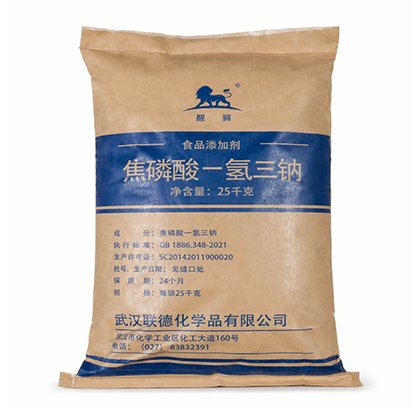 Minerals & Additives
Heavy duty bags are often used for calcium carbonate, talc, barium sulfate, filler masterbatch, and similar mineral products. In these applications, bag strength and load support usually matter more than appearance.
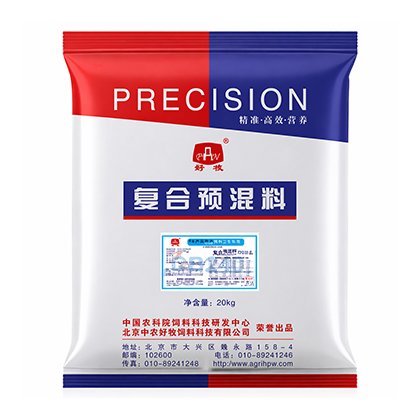 Animal Feed & Premix
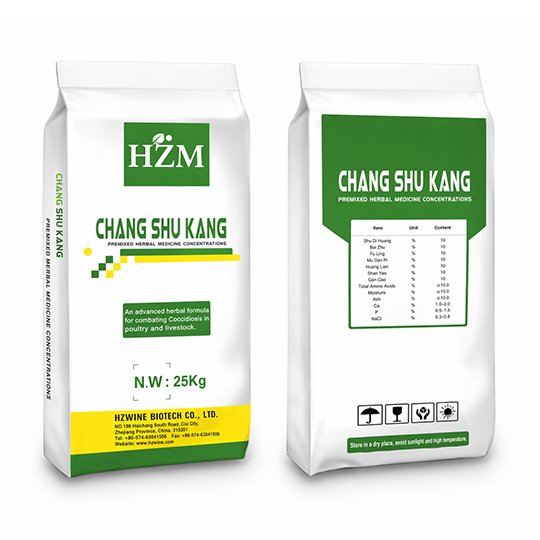
Animal feed and premix products need heavy duty bags that can handle weight, stacking, and repeated movement through storage and delivery. Good sealing and stable bag shape also help reduce handling problems later.
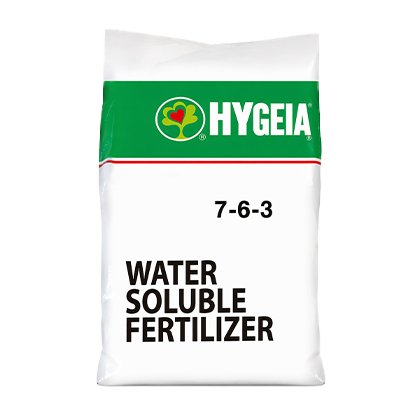 Fertilizers & Agrochemicals
A heavy duty bag for fertilizer or agrochemical products should be built for tougher conditions. These products often need better puncture resistance, reliable sealing, and stronger performance during transport.
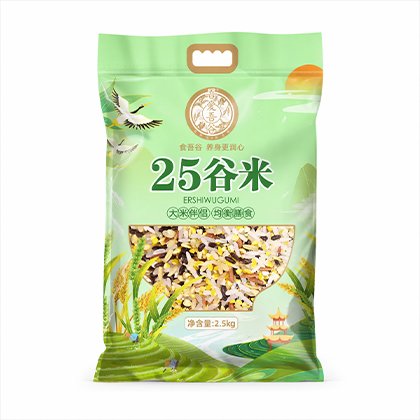 Seeds & Grains
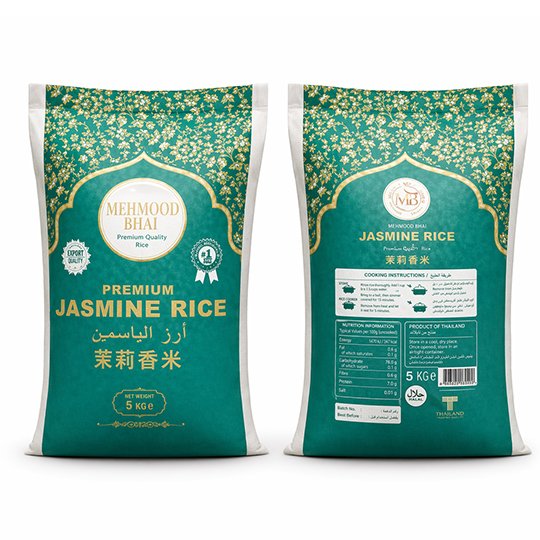
Seeds and grains are a common heavy duty bag application, especially when the bags need to perform well in bulk packing, warehouse storage, and truck loading. The right bag helps protect the product while keeping handling efficient.
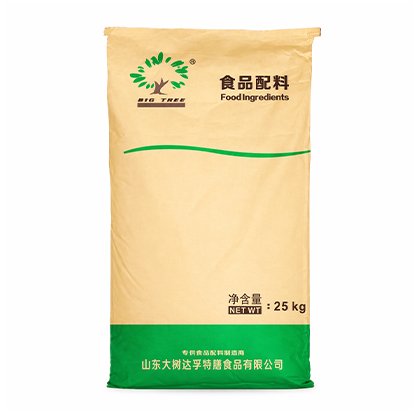 Food Ingredients
Heavy duty bags for food ingredients are commonly used for sugar, salt, starch, seasoning powders, and dry additives. The focus here is usually on clean filling, secure sealing, and dependable bag performance on the production line.
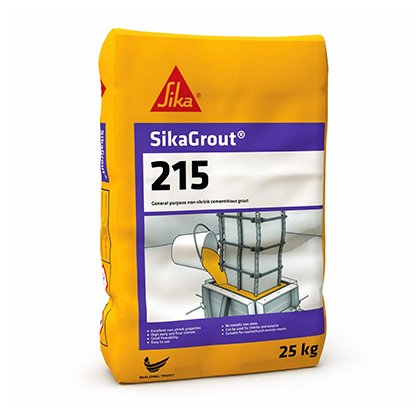 Cement & Building Materials
Cement, mortar, dry mix, and other building materials place much higher demands on packaging, so heavy duty bags are often the practical choice. In this kind of application, strength, filling efficiency, and transport durability all need to work together.
Custom Heavy Duty Bag Options

Heavy duty bag structures can be matched to the product, handling conditions, and shipping needs.

Heavy duty bag dimensions should fit the filling line to avoid feeding and efficiency problems.

The right heavy duty bag gauge balances strength with machine compatibility.

Heavy duty bag printing supports up to 10 colors with multiple print versions on one base structure.

Heavy duty bag formats can be adapted to the filling process and end-use requirements.

Heavy duty bag specifications can be adjusted for hot fill, fine powders, export, or high-volume use.
Why Choose Our Heavy Duty Bags
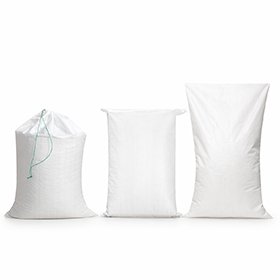
A heavy duty bag needs to run smoothly on the actual filling line. If the size or stiffness is off, the bag may not open or feed properly, which slows production and increases waste.
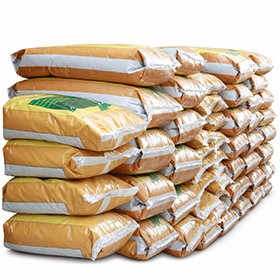
A heavy duty bag should support the real fill weight during stacking, transport, and handling. In many cases, failure starts from body tearing at the bottom corners, not from the seal.
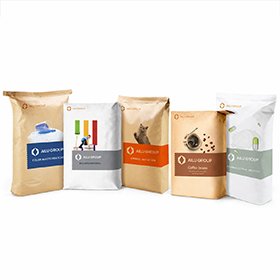
Heavy duty bag seal performance depends on the right film structure, sealant layer, and filling conditions. A bag that seals in testing may still perform inconsistently in production if the specification is not right.

The right heavy duty bag structure depends on the material inside. Resin, powder, feed, and export products do not all need the same construction.
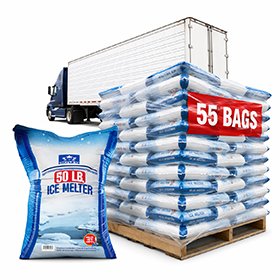
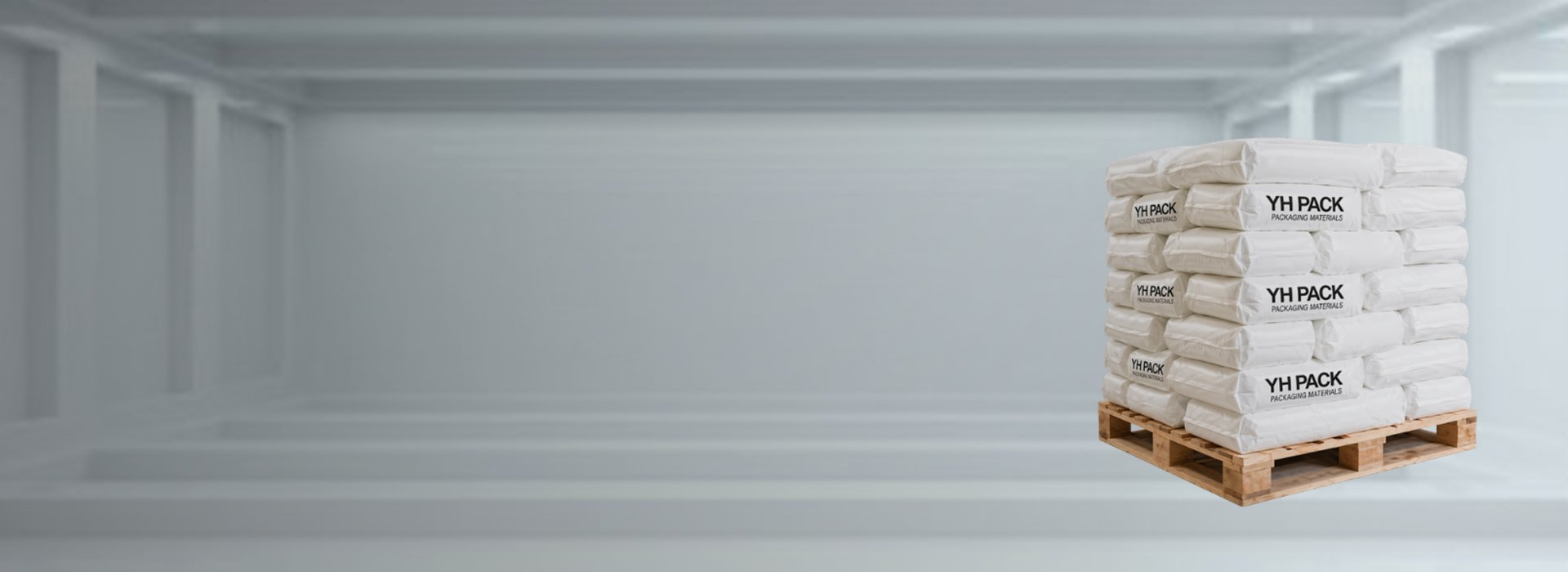
A heavy duty bag should stay stable on the pallet through storage and transport. Consistent dimensions and filling performance help reduce leaning, shifting, and load collapse.
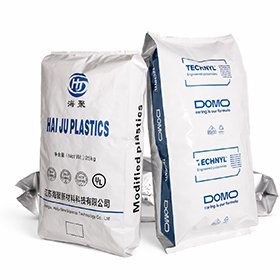
For powder applications, heavy duty bag design needs to control dust leakage through better seal design and stronger film quality. This becomes more important with fine or highly flowing materials.
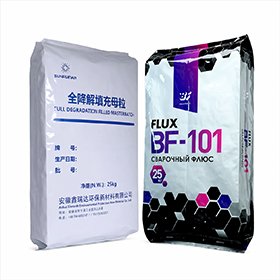
A heavy duty bag also needs clear, durable printing for grade names, batch codes, and barcodes. Good print clarity helps reduce identification errors in storage and distribution.
Usually yes, but automatic line compatibility depends on the actual equipment. Heavy duty bag dimensions and film stiffness both affect how the bag opens and feeds. We normally check the machine specs first, before confirming the bag size.
For standard resin applications, a PET/PE structure or reinforced PE composite is often used for heavy duty bags. For engineering plastics, modified resins, or moisture-sensitive materials, the heavy duty bag structure should be matched to the actual product and storage conditions.
Heavy duty bag gauge should not be chosen by fill weight alone. Product shape, density, and handling conditions also matter. A bag that is too light may fail in use, while a bag that is too stiff may not run well on automatic filling lines.
Yes. We can print barcodes, product grades, handling marks, and other identification details on heavy duty bags. Printing supports up to 10 colors, and different print versions can be used on the same bag structure.
Yes, and in many cases it is worth doing. We can review your current heavy duty bag specification or sample against the fill weight, product type, and filling equipment, and flag any points that may create problems later.
In most cases, yes. But heavy duty bags for export should be specified with transport conditions in mind. Container shipment adds more handling pressure than domestic delivery, so gauge, structure, and pallet stability usually need to be checked more carefully.
To quote a heavy duty bag, we usually need the product type, fill weight, bag size if available, filling method, and estimated volume. If the bags need to run on a specific line, the equipment model is also helpful. A current sample or written bag spec is the best starting point when available.
Related Products
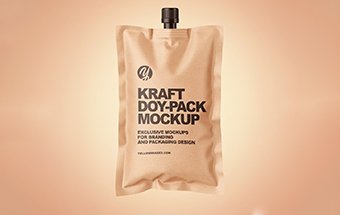 Liquid Pouches
 Gift Bags
 Medical Packaging Bags
 Cosmetic Packaging Bags
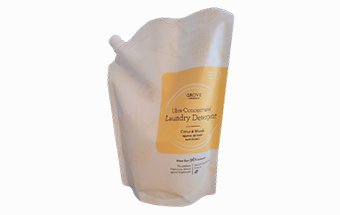 Detergent Pouch
 Agricultural Bags
 Electronic Packaging Bag
 Eco-Friendly Packaging Bags
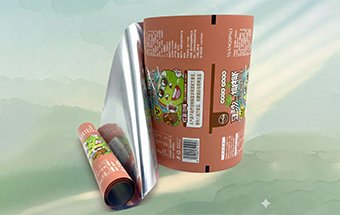 Packaging Film