
What is Frozen Food Packaging?
Frozen food packaging includes the bags and pouches that keep food safe at temperatures below freezing and during shipping. For example, standard cold storage is usually −18°C, while IQF blast-freeze processing can go as low as −40°C. These bags need to stay flexible when cold, resist punctures from sharp product shapes like shrimp shells and fish bones, and keep their seals intact through repeated freeze-thaw cycles.
Three-side seal pouches, back-seal pillow bags, quad-seal block-bottom bags, stand-up doypacks with zipper reseal, and vacuum bags for portioned protein are the most common types. What you’re packing, how it’s filled, and where it ends up all play a role in what format fits.
Material structure matters more for frozen food than almost any other application. A standard PET/PE bag that works fine for ambient dry goods can cold-crack at −18°C under handling stress. PA (nylon) based structures — NY/PE, PET/PA/LLDPE, PET/NY/AL/PE — are the industry-standard choice for frozen seafood, meat, and any product going through cold chain distribution.
One-Stop Frozen Food Packaging Manufacturer in China
EHAI Packaging has been making flexible packaging in Dalian, China, since 2002. A good part of that time has been spent working with seafood processors, meat packers, and frozen food brands in and around Dalian, which is one of the bigger seafood processing and export hubs in China. So when a buyer asks us about frozen shrimp packaging that’s failing somewhere in the cold chain, we’ve usually seen that failure before, and we know which part of the laminate structure caused it.
Our factory in Zhuanghe covers printing, lamination, slitting, and finished bag production — all under one roof. We don’t subcontract production. When you have a problem with a film we made, you’re talking to the team that made it.
We work directly with B2B buyers: frozen food producers, seafood processors, meat packers, and frozen snack brands. Samples available before any purchase order. If you’re looking for a reliable partner for custom frozen food packaging bags, contact us for samples and a quotation.
Frozen Food Packaging by Application
We use our custom frozen food packaging bags for frozen seafood, meat, vegetables, prepared foods, snacks, and shipping cold chain items. Here are the products that most of our customers pack.
 Frozen Seafood Packaging
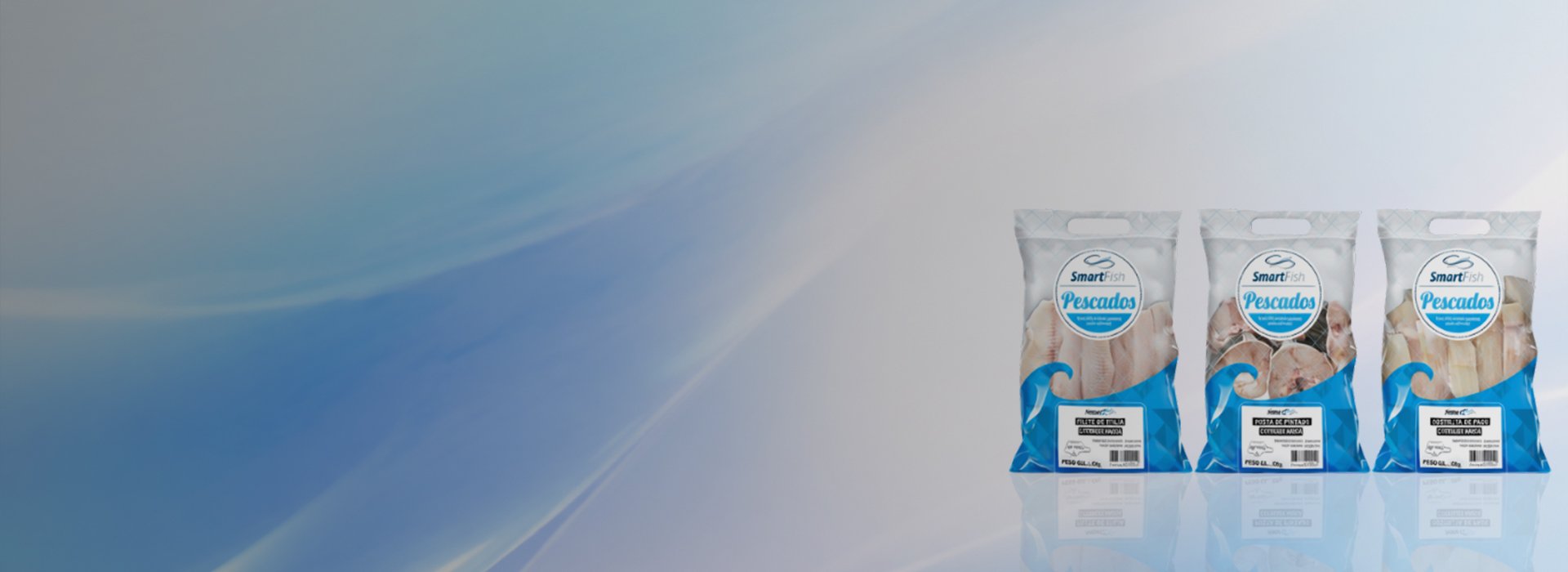
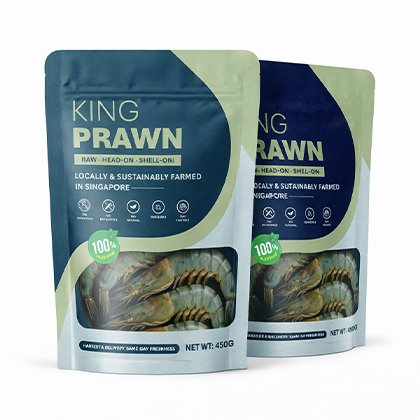
Whole shrimp, IQF shrimp, fish fillet, squid, crab, and lobster tail. Frozen Seafood Packaging is our main market in Dalian, and puncture resistance is the primary concern — NY/PE and PET/PA/LLDPE for standard applications, PET/NY/AL/PE for bone-in or premium export product going to Japanese and EU buyers. Vacuum bag format for portioned fillets and high-value species.
 Frozen Meat & Poultry Packaging
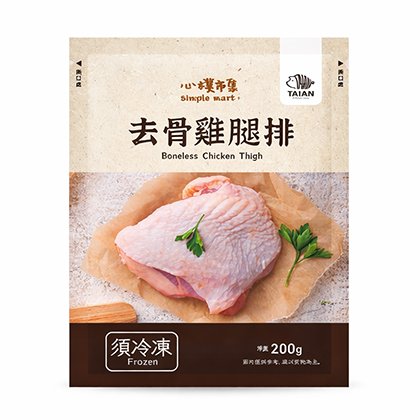
Bone-in cuts, portioned fillets, marinated protein, and ground meat. Frozen meat packaging calls for PA-based structures throughout because of puncture risk from bones.Quad-seal format for heavy cuts where weight and sharp edges would put too much stress on the side seams of a regular bag. Cold-resistant adhesive lamination specified for products going through repeated freeze-thaw cycles during processing.
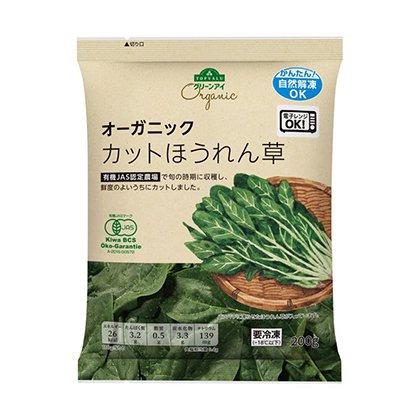 IQF Vegetables & Fruit Packaging
High-volume, high-throughput applications where cost is important. For this type of frozen food packaging, PET/PE or BOPP/PE structures are usually sufficient for domestic cold storage at −18°C with standard handling. Three-side seal and back-seal formats for FFS line compatibility. This is where customers most often over-spec — if PET/PE does the job, we’ll say so rather than upgrade you to a PA structure you don’t need.
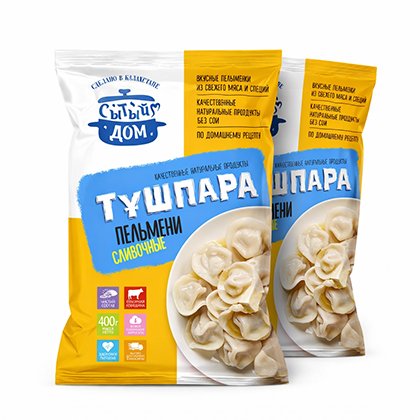 Frozen Ready Meals & Dumplings
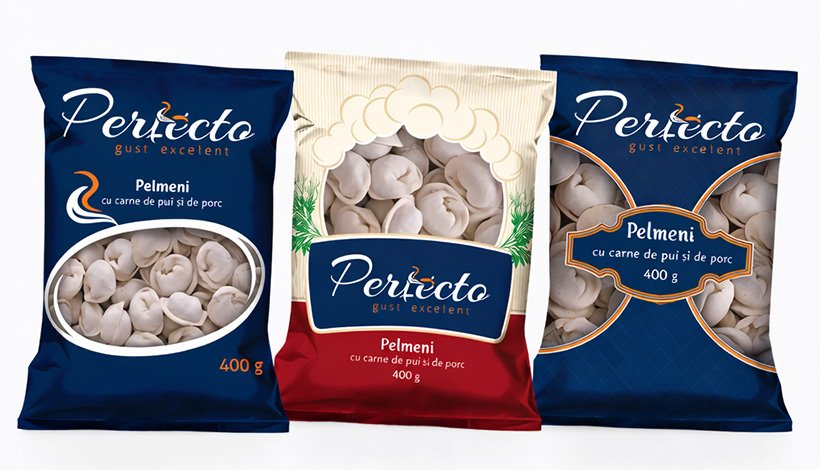
Dumplings, spring rolls, meals that are already portioned out, and frozen foods that are ready to eat. Most of the time, frozen ready meals come in stand-up and pillow bag formats. PET/PA/LLDPE is the best material for these bags because it keeps the food fresh and seals well. Microwave-safe material structures available where the product will be cooked in the bag.
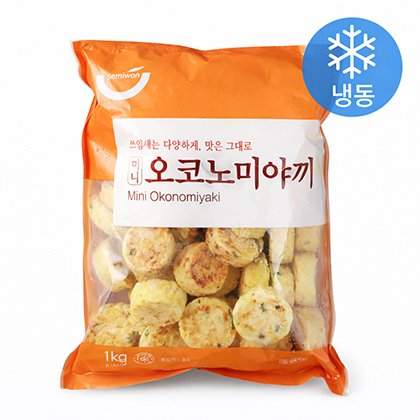 Frozen Snacks & Bakery
Nuggets, pastries, frozen desserts, and retail snack packs. Frozen snack packaging benefits from high-clarity film options where product visibility matters on the retail shelf. Shelf life for most frozen snacks is short enough that foil laminate is not needed — PET/PA/LLDPE or even PET/PE handles the barrier requirement at lower cost.
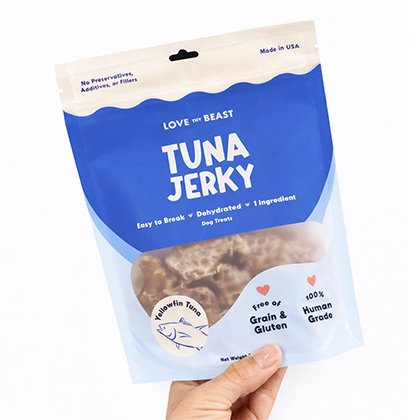 Cold-Chain Export Packaging
Multi-leg cold chains shipping to Japan, Korea, EU, and other export markets. Buyers in these markets check for defects in frozen food packaging bags and make sure they meet safety standards when they arrive.We know what they want because we’ve been selling seafood to Dalian exporters for more than twenty years. Foil laminate structures, PA layers with a higher gauge, and a consistent film spec across all production runs.
Custom Frozen Food Packaging Options
We give you a lot of choices when it comes to customizing frozen food packaging bags in terms of structure, format, size, and print. Let us know what you’re packing and where it’s going, and we’ll help you figure out the best way to do it.

Frozen food packaging bags can be produced in NY/PE, PET/PA/LLDPE, PET/NY/AL/PE, PA/PE, PET/PE, BOPP/PE, and PET/NY/LLDPE depending on your cold-chain temperature, product type, shelf life, and barrier requirements. We’ll tell you which structure works best for your application, even if a simpler and cheaper one will work just as well.

Available in three-side seal pouch, back-seal pillow bag, quad-seal block-bottom, stand-up doypack, vacuum bag, and rollstock for FFS lines. The shape of the product, the type of filling equipment you have, and whether the bag needs to stand up at the store all affect the format you choose.

Each frozen food packaging bag can be produced to your specific width, length, and gusset depth. We accommodate different filling volumes, product weights, and packaging equipment specifications.

Up to 10-color rotogravure for complex brand graphics, or flexo printing for shorter runs and simpler artwork. Before lamination, printing is done so that the colors are sealed under the film and stay stable even when they are frozen and thawed and handled. CMYK process color and Pantone spot color matching available.

Matte, gloss, and soft-touch laminate finishes available. Matte and soft-touch work well for premium frozen food brands. Most frozen food packaging in stores has a gloss finish.

Film thickness can be adjusted from 70 to 200 micron depending on product weight, handling conditions, and the level of puncture resistance required. Heavier product and sharper geometry typically require thicker gauges.

Zipper reseal, tear notch, hang hole, round corners, and euro hole can be added depending on the end-use application. Zipper is common for retail consumer packs. Tear notch is standard for single-use portions. Hang hole for peg display.

One-way degassing valve available for frozen food formats where residual gas needs to escape without allowing air back in. Not as common in frozen food as in coffee, but used in some high-end prepared foods.
Why Choose Our Frozen Food Packaging?
Frozen food packaging fails differently from ambient packaging. A bag that passes every room-temperature test can cold-crack in a blast freezer. Seams delaminate through freeze-thaw cycling. Bone-in seafood punctures straight through standard PE film before the carton reaches the loading dock. Here is what we actually do about each of these problems.
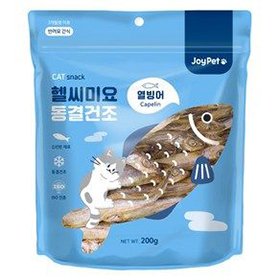
Our PA-based laminate structures — NY/PE and PET/PA/LLDPE — stay flexible at temperatures as low as −60°C, well beyond the IQF blast-freeze range. Standard BOPP and basic PE films become brittle below −5°C under mechanical stress,our frozen food packaging bags are designed to endure the harshest cold chain environments. For any product going through IQF processing or export cold chains, the nylon layer is not optional. For domestic frozen vegetables at −18°C with standard handling, PET/PE usually does the job fine — and we’ll tell you that rather than over-spec your structure.
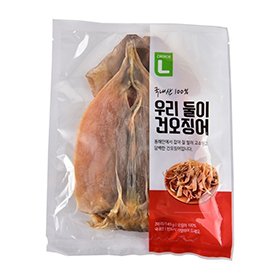
Shrimp shells, fish bones, and sharp ice crystals can all find weak spots in thin film. This is one of the main reasons why frozen food packaging bags break before the food even gets to the distribution center. The PA layer in NY/PE and PET/PA/LLDPE absorbs the mechanical energy of a point load rather than tearing around it immediately. For bone-in cuts, whole fish, and crab, we typically recommend PET/NY/AL/PE structure in a quad-seal format — four gussets distribute stress that two side seams would concentrate. This is the most common problem we help Dalian seafood processors solve with puncture-resistant frozen seafood packaging.
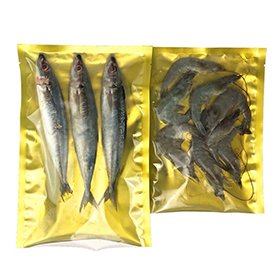
Freezer burn is a moisture vapor transmission problem, not a temperature problem — and choosing the right frozen food packagingmaterial is what prevents it. Our non-foil structures like PET/PA/LLDPE provide adequate WVTR barrier for most frozen food packaging applications up to 12 months. For premium seafood going to Japan, Korea, or EU markets, or for high-fat product where oxidation through a lower-barrier film shows up as off-flavor, we move to PET/NY/AL/PE — a high-barrier frozen food packaging structure with foil laminate that reduces WVTR to below 0.5 g/m²/24h. We’ll tell you directly if you don’t need it.
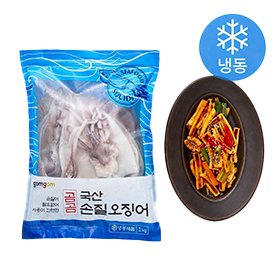
We use LLDPE as the inner sealant layer across our frozen food packaging structures because it retains peel strength at low temperatures better than standard LDPE. In cold chain distribution, seal failures often start as invisible delaminations after filling, not as visible blowouts. They then open up two or three freeze-thaw cycles later. Our heat-seal range of 120°C–160°C and peel strength of 35–45 N/15mm holds through these stress reversals in frozen food packaging bags that go through IQF processing and multi-stage cold chain handling.
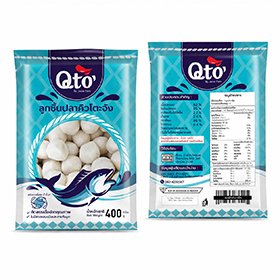
We print before lamination, not after. That means the ink layer is sealed under the barrier film — it doesn’t rub off during handling, doesn’t crack when the bag flexes at −18°C, and doesn’t fade from moisture exposure. For custom frozen food packaging, that difference is important because many converters just print on the surface and call it a day. For more complicated graphics, you can use rotogravure with up to 10 colors, or flexo for shorter runs. Colors are calibrated for how they’ll actually read under retail freezer lighting, not just on a studio proof.
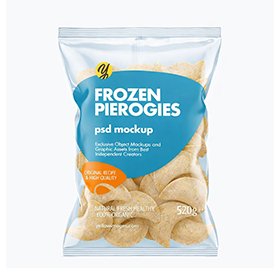
Over-specifying is one of the most common mistakes we see from buyers sourcing frozen food packaging for the first time. Not every frozen product needs a foil laminate or a PA structure. If PET/PE handles your frozen food packaging application, we’ll say so. If you need PET/NY/AL/PE, we’ll explain exactly why. Our goal is a frozen food packaging solution that fits your product and your cold chain — not a more expensive spec that adds cost without benefit.
Not all frozen food needs PA-based laminate. For domestic cold storage at −18°C with standard handling and a shelf life under 12 months — frozen vegetables, for example — PET/PE usually performs fine and costs less. NY/PE and PET/PA/LLDPE are needed when the product goes through IQF blast-freeze processing, involves sharp edges like bone or shell, or is traveling on a multi-leg export cold chain.We’ll give you advice based on how you plan to use it.
For most frozen seafood — shrimp, fish fillet, squid — NY/PE is the practical choice: flexible at sub-zero temperatures, good puncture resistance from the nylon layer, and cost-effective for high-volume runs. PET/PA/LLDPE is better when print clarity and retail presentation matter. PET/NY/AL/PE is specified for export to Japan, Korea, or EU buyers, or for bone-in and high-fat product where you need maximum barrier and puncture performance.
Our standard frozen food packaging bags using PA-based structures are rated for continuous storage at −18°C and compatible with IQF blast-freeze at −40°C. The nylon layer retains flexibility down to approximately −60°C. We can provide elongation-at-break and seal peel strength test data at low temperatures for specific structures on request.
Foil laminate is the right spec for products going to export markets with strict barrier requirements, shelf life over 12 months, high-fat product where oxidation through a lower-barrier film would affect flavor, or long ocean freight routes where cumulative moisture exposure adds up. For domestic frozen food with normal turnover, PET/PA/LLDPE without foil is usually adequate and costs significantly less.If foil isn’t needed for your application, we’ll tell you right away.
NY/PE is a two-layer structure — nylon outer, PE sealant inner. It is more flexible, which helps for products with irregular shapes, and it is the lower-cost option. PET/PA/LLDPE adds a PET outer layer, which gives better stiffness, better print clarity, and slightly stronger rigidity under compression. For retail consumer packs where presentation matters, PET/PA/LLDPE usually looks better on the shelf. NY/PE is often the best choice for industrial bulk packing when cost and flexibility are the most important things.
Yes. All our frozen food packaging formats support custom printing — up to 9-color rotogravure for detailed graphics, or flexo for shorter runs. Printing is applied before lamination, so ink is protected by the barrier film rather than sitting exposed on the surface. This keeps colors sharp through freeze-thaw cycling and prevents rub-off during cold storage handling. We review artwork before production and flag issues before they become a problem.
Yes. Vacuum frozen bags in NY/PE and PET/NY/LLDPE structures are available for portioned seafood, marinated protein, and premium export packs. These structures conform tightly under vacuum without pinholing or wrinkling at the seal, and the PA layer provides puncture resistance from bone tips during the vacuum seal process. Available with or without custom printing.
We work with roll weight instead of piece count, which lets you place mid-volume orders without having to stock up. The specific MOQ varies by laminate structure and bag size. Contact us with your product type, bag dimensions, structure requirement, and approximate monthly volume and we will give you a direct quote. No intermediary markup — pricing comes straight from the factory.
Related Products
 Liquid Pouches
 Gift Bags
 Medical Packaging Bags
 Cosmetic Packaging Bags
 Detergent Pouch
 Agricultural Bags
 Electronic Packaging Bag
 Eco-Friendly Packaging Bags
 Packaging Film