

Why Size and Thickness Matter in Practice
A bag that’s slightly too wide for the filling head will seal inconsistently. One that’s too tall relative to the fill volume will have excessive headspace and look underfilled on the shelf. Too narrow and the product won’t flow in cleanly — especially for bulky items like pet food kibble or frozen vegetables.
Thickness shows up differently. A bag too thin for the product weight will deform under stacking pressure or get punctured by the contents. One that’s heavier gauge than necessary adds material cost to every unit without improving anything that matters for the application. We see both directions — under-specified bags that fail, and over-specified bags that add cost without benefit.
These aren’t edge cases. They’re the kinds of issues that show up during the first production run when dimensions haven’t been reviewed properly beforehand.
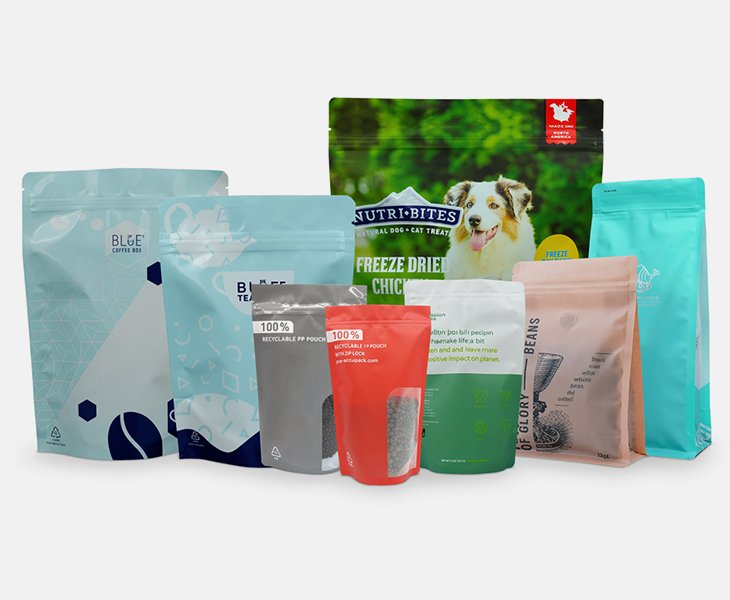
How Bag Size Is Decided
Fill volume and fill weight matter, but they’re not the whole picture. Product density, how it flows or settles, and how much headspace is needed after sealing all affect the final dimensions. This is where buyers working from net weight alone often end up with a bag that doesn’t work as expected.
A 500g bag of coffee and a 500g bag of frozen shrimp need different proportions. Coffee is dense and uniform. Shrimp is irregular, bulky, and needs room to move during filling. Same net weight, different bag — and it’s the kind of difference that matters in production.
For stand-up pouches, gusset depth matters as much as width and height. Too shallow, and the pouch won’t stand properly when filled. Too deep, and it looks disproportionate and takes up more shelf space than it needs to.
Width and height are driven by fill volume, headspace, and how the bag will be displayed or stored.
Gusset depth for stand-up pouches and block-bottom bags affects how the bag sits when filled and how much floor space it occupies on the shelf.
Seal area needs to be factored into the overall height — a 20mm top seal means the usable bag body is 20mm shorter than the total bag height. This gets missed more often than it should, and it’s one of the first things we check.
Carton fit is worth confirming before dimensions are finalised. Bags that don’t pack efficiently into the shipping carton add cost and create movement during transport.
How Thickness Is Chosen
Film thickness is measured in microns. For most standard dry food applications — snacks, powders, dried goods — a total laminate thickness in the 80–120 micron range is usually sufficient. Heavier products that contain sharp edges or travel through multiple handling stages may need 120–180 microns. Frozen seafood and bone-in meat often go higher, both because of weight and because the product itself can puncture a thinner bag during filling or vacuum sealing.
Higher gauge adds material cost and can affect how the bag handles on automated filling equipment. A bag that’s too stiff won’t open cleanly on a form-fill-seal line. Thickness is a balancing decision — and defaulting to heavier gauge “to be safe” isn’t always the right call. We’ll say so when it isn’t.
If You Already Have Dimensions
Send them over. We’ll review the application and flag anything that looks likely to cause a problem on the filling line or in transit. If the dimensions are driven by machine specifications, we’ll confirm compatibility before production starts.
If You Need a Recommendation
If you’re working out dimensions from scratch, share:
Product type, net weight, and fill volume.
Whether it’s liquid, powder, solid, or irregular.
Filling method — automated line or hand-filled, and any machine specs.
Storage and shipping conditions — ambient, frozen, domestic, export.
Any features that affect film requirements — sharp edges, high weight, and moisture.
We can then propose dimensions and gauge, explain the reasoning, and provide sample bags for testing before production. If something you’re specifying is more than the application needs, we’ll say so.
Filling Equipment and Production Conditions
If the product is being filled on automated equipment, machine compatibility matters. Vertical form-fill-seal machines have specific requirements for film width and bag depth. Pre-made pouches filled on a separate line have different tolerance ranges.
Seal jaw width affects the minimum seal area, which flows back into overall bag height. If dimensions don’t account for the seal area, the usable bag body ends up smaller than intended. Easier to catch before the artwork goes to the plate, which is exactly when we check it.
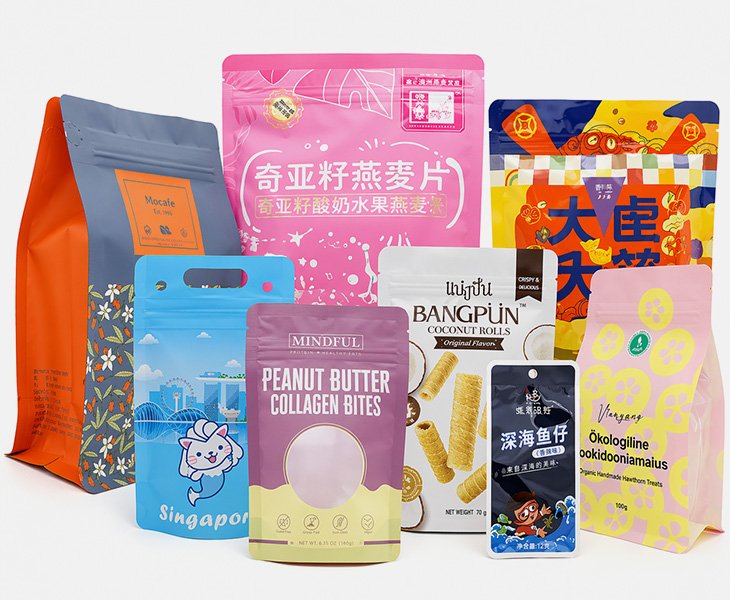
Factors That Drive Size and Thickness Decisions
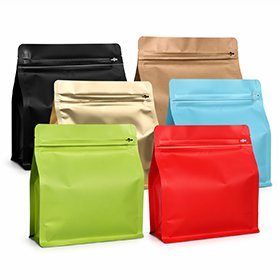
fill by weight and settle during the process. Bags often need more width relative to height so the product distributes evenly. Very fine powders may also need headspace for air displacement — something that’s easy to underestimate until the first trial run.
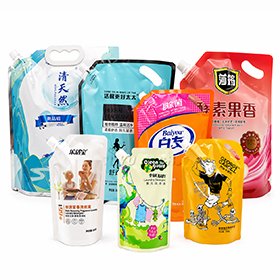
This is where proportions matter more than most buyers expect. A bag too wide relative to the fill level can have liquid sitting in the seal zone during sealing — which causes seal failure. Getting the width-to-fill ratio right is more critical here than for dry products, and it’s one of the first things we check.
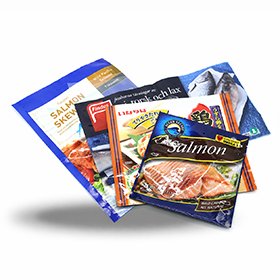
need to account for how the product behaves at low temperatures. Contents shift and expand during freezing. Thickness requirements are also higher — frozen bags get dropped, stacked, and conveyed at temperatures where thinner films crack. Not a product category where it pays to run light on gauge.
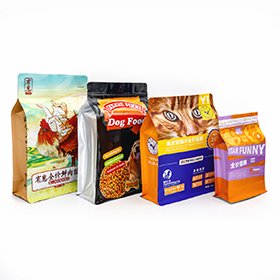
is bulky relative to weight, and first-time buyers often underestimate the width and gusset depth needed. Denser products can get away with tighter dimensions; kibble usually can’t.
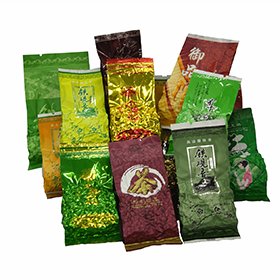
compress during sealing, which changes the final bag dimensions. The bag needs to conform tightly without wrinkling at the seams. Both the width-to-height ratio and film gauge affect how well this works. It usually takes a test run to confirm.
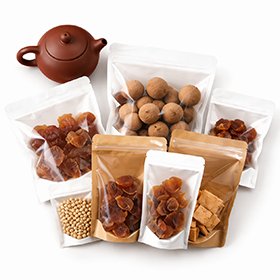
generally warrants heavier gauge than domestic — more handling stages, more mechanical stress. A bag that performs fine in domestic distribution can fail in a container shipment. One of the more common oversights we see from buyers who spec for domestic and then end up shipping internationally.
No. Two products at the same net weight can need quite different dimensions depending on density, shape, and fill behaviour. Frozen shrimp and ground coffee are both sold at 500g — they fill completely differently. Net weight is a starting point, not the answer.
Too wide: excessive headspace, looks underfilled. Too narrow: the product won’t enter cleanly, which slows the line and risks spillage onto the seal area. For liquids, getting the width-to-fill ratio right is particularly important for consistent seal quality.
Product weight and distribution conditions are the main factors. Light dry products in domestic supply can usually run at lower gauge. Heavy products, sharp edges, frozen applications, export — these push thickness up. Tell us the product and conditions and we’ll give a direct gauge recommendation. We won’t default to heavier gauge if it’s not necessary.
No. Heavier gauge adds cost and can cause problems on automated lines — some equipment can’t open bags that are too stiff. The right gauge meets the requirement without exceeding it.
Yes. It’s also one of the more commonly misjudged dimensions — a gusset that works for fill volume can still result in a pouch that won’t stand stably or looks off-proportion on the shelf. Worth reviewing before dimensions are locked.
Send us the machine specifications or the bag format your equipment is set up for. Vertical form-fill-seal machines have defined film width ranges and bag depth constraints. We confirm compatibility before production.
Within a range, yes. Outside it, you get headspace issues at the low end or seal stress at the high end. If you’re planning multiple fill weights on the same bag, tell us the intended range upfront.
Product type, fill weight or volume, filling method, any machine specs, and storage or shipping conditions. If the product has sharp edges, high liquid content, or an irregular shape, mention that too. From there we can propose working dimensions and arrange sample bags.
Related Products
 Liquid Pouches
 Gift Bags
 Medical Packaging Bags
 Cosmetic Packaging Bags
 Detergent Pouch
 Agricultural Bags
 Electronic Packaging Bag
 Eco-Friendly Packaging Bags
 Packaging Film